
Why This Matters
Tropical forest restoration is typically assessed through above-ground indicators such as tree growth, canopy cover, and carbon stocks. Yet soil microbial communities regulate nutrient cycling, soil stability, and long-term carbon sequestration, making them fundamental to ecosystem recovery. Without understanding below-ground processes, restoration outcomes remain only partially evaluated.
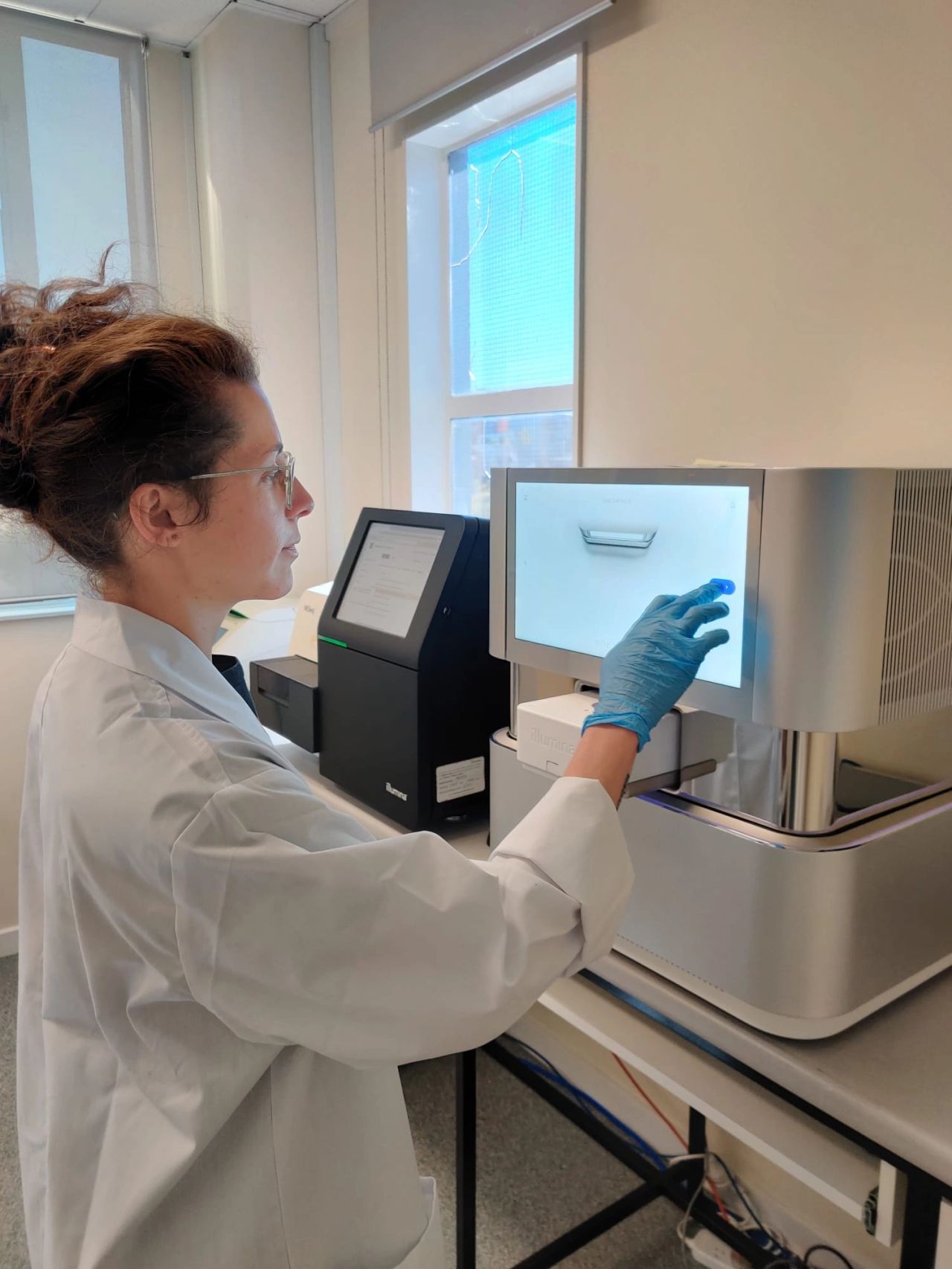
In collaboration with the University of the Sunshine Coast (Queensland, Australia), Sequench partnered on a project investigating soil microbial recovery in naturally regenerating Acacia mangium plantations in the Philippines. As part of this collaboration, we hosted UniSC PhD candidate Jenny Vivian at our Nelson laboratory, where she received hands-on training in eDNA metabarcoding workflows, from DNA extraction to sequencing and bioinformatic processing. This knowledge exchange strengthened both the research outcomes and applied molecular capacity within the restoration science community.
Molecular Assessment of Restoration Trajectories
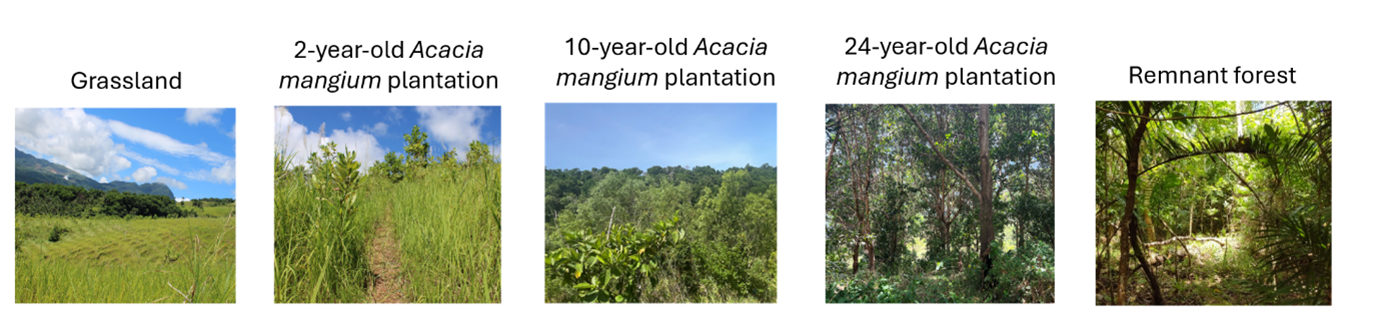
We conducted high-throughput environmental DNA (eDNA) metabarcoding on soil samples collected across a restoration chronosequence, including 2-, 10-, and 24-year-old Acacia mangium plantations, alongside grassland and remnant forest reference sites.
Using fungal (ITS2) and bacterial (16S rRNA) markers sequenced on the Illumina NextSeq platform, we:
- Characterised soil and rhizosphere microbial diversity and community composition
- Analysed shifts in microbial structure across restoration stages and between rhizospheres
- Assigned functional traits linked to carbon and nutrient cycling
These microbial data was then integrated with soil chemistry parameters including organic carbon, nitrogen, phosphorus, and pH, as well as soil humidity and temperature.
Key Findings
- Microbial composition shifted significantly during reforestation, even where total richness remained stable.
- Older plantations increasingly resembled remnant forests, indicating measurable below-ground recovery trajectories.
- Functional groups linked to carbon sequestration and nutrient cycling recovered over time, including symbiotic fungi and copiotrophic bacteria.
- Soil organic carbon, pH, and nitrogen were key drivers of microbial community structure.
- Microbial composition was similar among rhizospheres of the dominant plants in the area.
- Nitrogen-fixing bacteria reflected a transition from an N- to a P-limited environment, as expected to occur over forest aging.
This research demonstrates that soil eDNA provides a robust and scalable tool for monitoring tropical forest restoration. Integrating microbial indicators with vegetation and soil chemistry data enables a more complete evaluation of ecosystem recovery and climate mitigation potential.
For more details on this research, check our collaborative publication in PeerJ journal’s SeDNAs Hub.
Join Us in Advancing Research
Do you have an innovative idea or a research question? We’re always eager to collaborate with passionate individuals and organizations. Contact us today to explore how we can work together to bring your vision to life and make a lasting impact on our planet.