
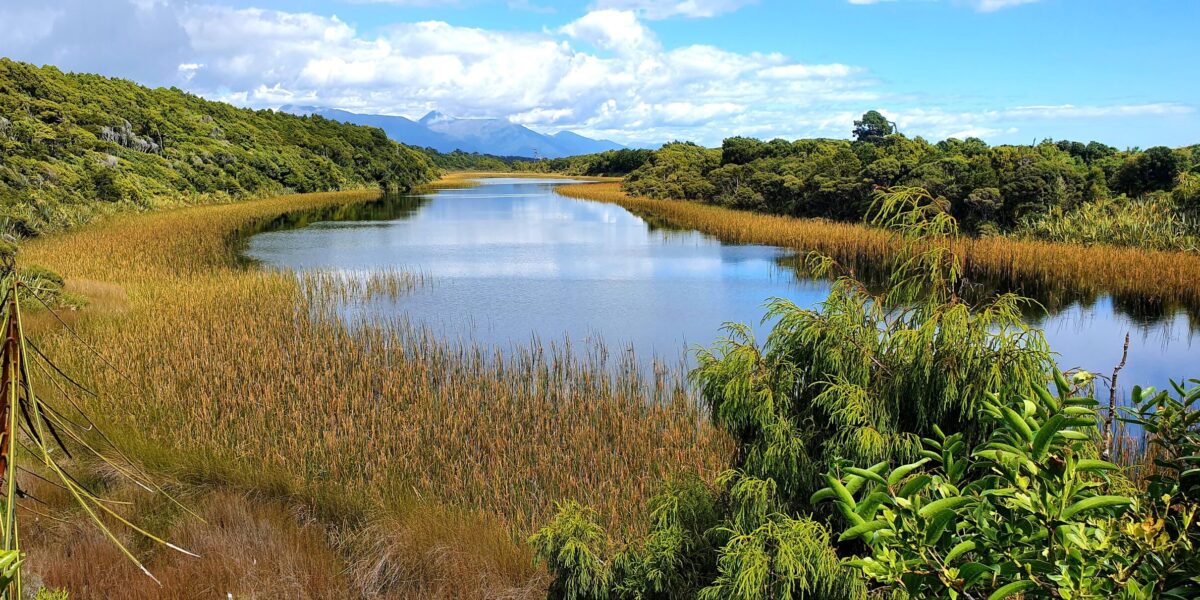
The freshwater ecosystems of Aotearoa New Zealand are globally distinctive and ecologically fragile. Many rivers and lakes support highly endemic species and culturally significant taonga that have evolved in relative isolation. Overseas experience shows how quickly the incursion of non-native freshwater species can transform such systems, altering food webs, damaging infrastructure, and often resulting in long-term control costs. Many high-impact species remain absent from Aotearoa New Zealand, but increasing trade, travel, and environmental change mean that the risk of incursion is persistent.
To reduce that risk, Biosecurity New Zealand (BNZ) commissioned a collaborative project led by LWP, Sequench, and Lincoln University. The aim is to move from from ad hoc or fragmented monitoring toward a structured, risk-based surveillance system capable of detecting freshwater incursions early, before establishment becomes irreversible.
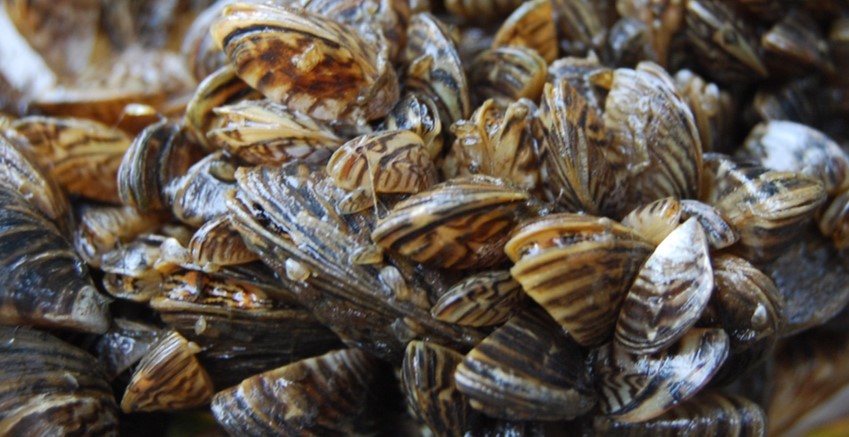
The non-native zebra mussel – a highly invasive species outside Aotearoa New Zealand, capable of rapidly transforming freshwater ecosystems, clogging infrastructure, and causing significant long-term economic and ecological damage.
From species lists to environmental intelligence
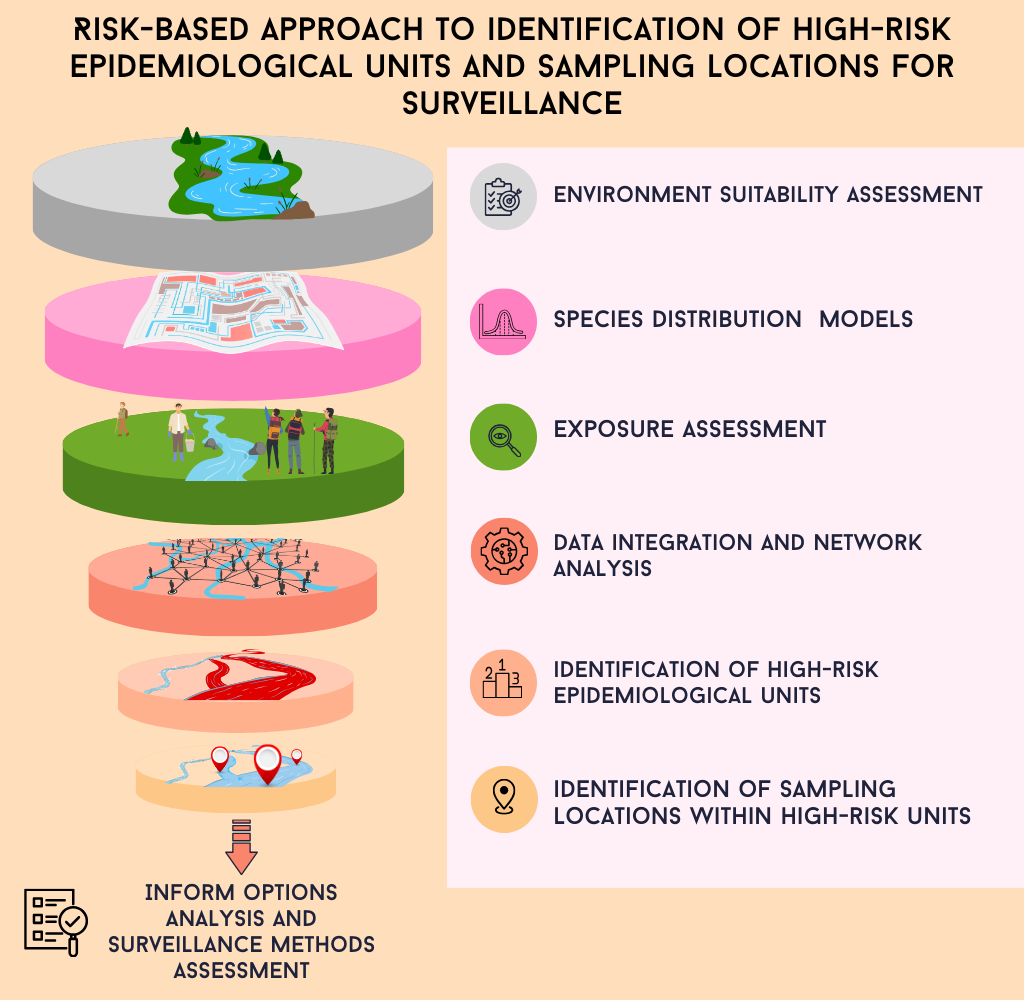
Effective surveillance starts with knowing where a species could establish. The project team is gathering and reviewing global evidence on priority freshwater non-native species, focusing on what conditions they need to survive and spread, such as habitat requirements, environmental limits, life-cycle traits, and how they are introduced.
The team will use this information to build clear environmental profiles showing the combinations of temperature, water flow rate, substrate, water chemistry, and connectivity that would allow these species to establish in Aotearoa New Zealand. This provides a strong evidence base for identifying high-risk areas of establishment and targeting surveillance where it will be most effective.
Mapping incursion potential across the freshwater network
Which areas of New Zealand could be suitable for the establishment of freshwater pests? Using a validated methodology, the team generates environmental suitability scores for each of the country’s >500,000 river and stream segments, and nationwide lakes. Using the hierarchy of the digital drainage network, segments and lakes are then organised into hydrologically coherent ’management units’ that reflect how species disperse and where monitoring can integrate upstream signals.
The team then quantify the exposure of management units to human-mediated introduction pathways using spatial data on recreation, access, population distribution, mobility patterns, and potential for release of aquarium and pond biota. Combined, estimates of suitability and exposure provide an indication of where incursions may be most likely.
From prioritisation to practical surveillance
A final output of the project is the identification of sampling locations that maximise detection while remaining operationally feasible.
Alongside this, the project team is evaluating surveillance methods for the priority species, including emerging molecular approaches, to ensure that monitoring is both targeted and effective.
Together, this work provides BNZ with a nationally coherent, analytically integrated foundation for freshwater incursion surveillance. It strengthens preparedness, supports early detection, and ensures that surveillance resources are directed where they will have the greatest impact.
Join Us in Advancing Research
Do you have an innovative idea or a research question? We’re always eager to collaborate with passionate individuals and organizations. Contact us today to explore how we can work together to bring your vision to life and make a lasting impact on our planet.