
The Challenge
Environmental DNA (eDNA) has become a powerful tool for biodiversity monitoring and biosecurity surveillance, but one fundamental question remains: how should sampling effort be distributed to maximise detection success?
In dynamic aquatic environments such as marinas, species detections can vary considerably over time due to tides, vessel movements, environmental conditions, and biological activity. While increasing the number of sampling locations and replicates can improve detection probabilities, this is not always practical due to logistical, budgetary, and operational constraints.
Emerging automated and semi-automated eDNA sampling technologies offer new opportunities to increase temporal sampling resolution. However, their effectiveness for marine biosecurity applications requires scientific validation under real-world conditions.
Our Approach
At Sequench, we apply a science-led approach to the development and implementation of eDNA technologies. Rather than simply adopting new tools, we work to understand their performance, limitations, and optimal applications through dedicated research and validation studies.
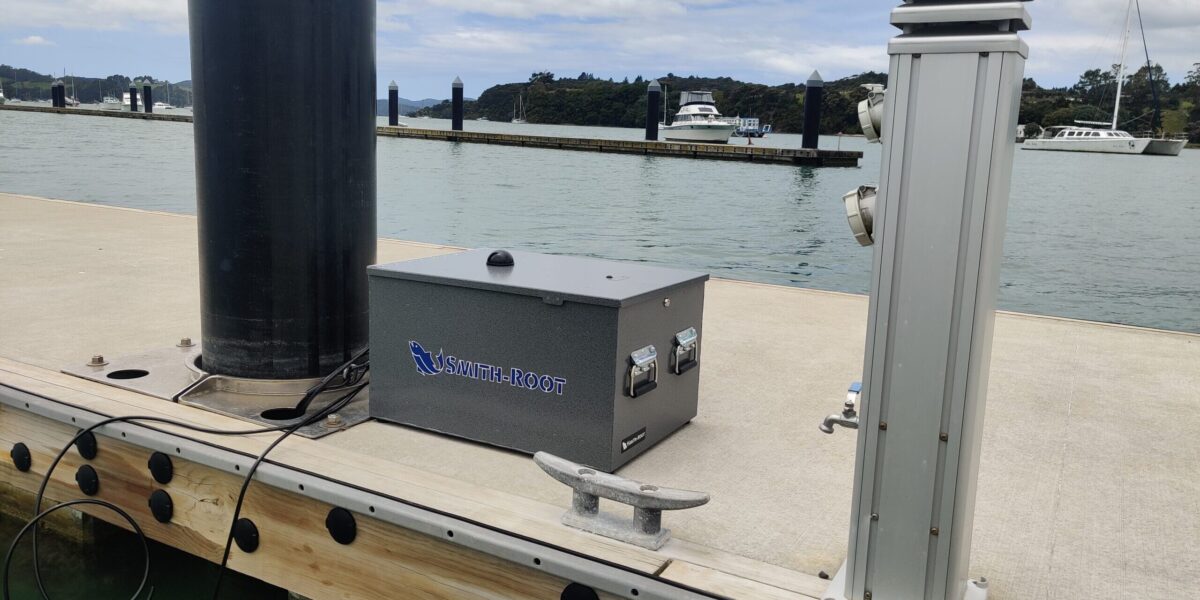
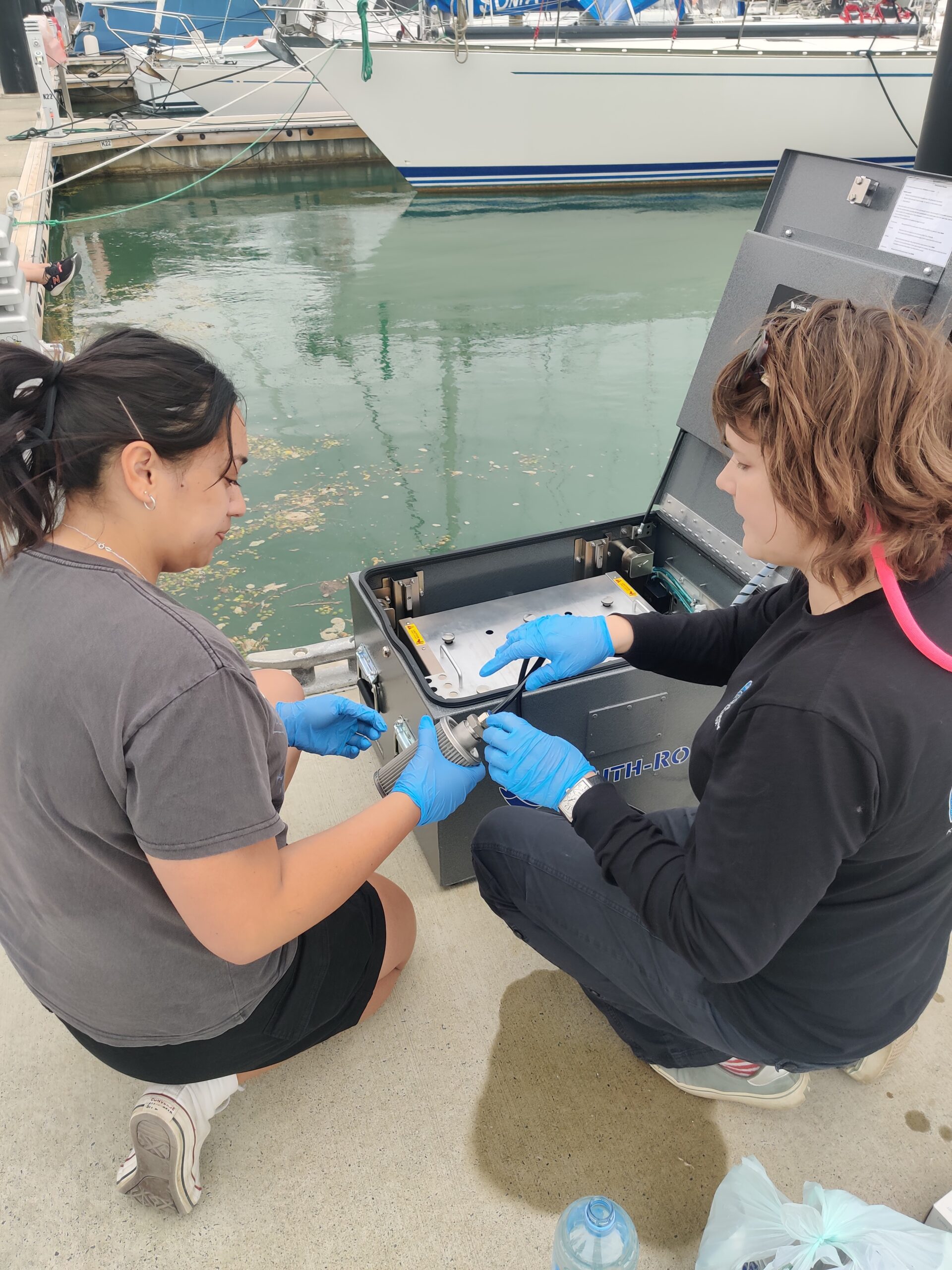
As part of the GuardIAS project, we collaborated with Cawthron Institute’s Marine Biosecurity Toolbox project, Northland Regional Council, and community scientists from Ngāti Manu to undertake the first field deployment of the Smith-Root Autosampler for eDNA collection in a marine environment.
The project aimed to evaluate whether automated time-replicated sampling could enhance marine non-indigenous species (NIS) surveillance and biodiversity monitoring within a busy coastal marina. The study compared repeated automated sampling over time with conventional spatial sampling approaches, providing valuable insights into how sampling design influences biodiversity detection.
Key Findings
The study demonstrated that automated high-frequency and repeated weekly eDNA sampling can substantially improve biodiversity monitoring and biosecurity surveillance by capturing temporal variability in species occurrence and detectability.
Key outcomes included:
- Enhanced detection consistency for many taxa through repeated sampling
- Improved detection of rare and low-abundance species that may be missed during single sampling events
- Greater understanding of temporal fluctuations in biodiversity signals within marina environments
- Evidence that temporal replication can complement, although not fully replace, spatially replicated sampling designs
These findings support the incorporation of automated time-series sampling into monitoring programmes where early detection of emerging or invasive species is a priority.
Community Engagement and Co-development
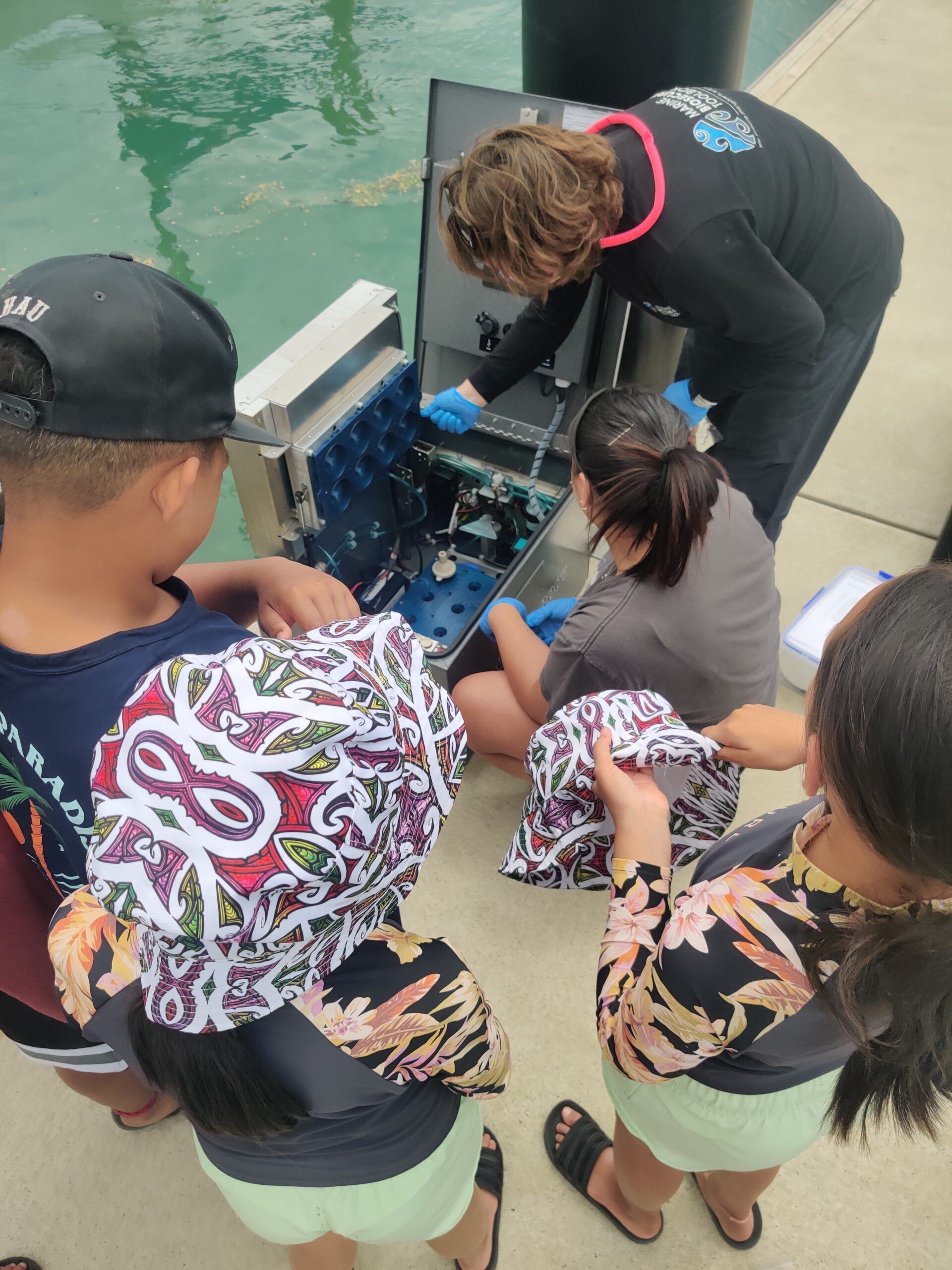
A particularly valuable aspect of this project was the involvement of community scientists from Ngāti Manu, who played an important role in field deployment and operation of the autosampler.
Their participation provided practical operational insights that extended beyond the scientific objectives of the study. Feedback from field operators highlighted opportunities to further optimise the autosampler for long-term deployments, including refinements to maintenance procedures and temperature management approaches that could improve performance stability under marine conditions.
This collaborative approach helped ensure that technology evaluation was informed not only by scientific data, but also by real-world user experience and local knowledge.
Why This Matters
Automated eDNA sampling technologies have the potential to transform biodiversity monitoring and biosecurity surveillance by increasing sampling frequency while reducing field effort requirements.
Because these systems are portable and require relatively little supporting infrastructure, they are particularly well suited for:
- Remote and difficult-to-access locations.
- Long-term monitoring programmes.
- Community-led monitoring initiatives.
- Biosecurity surveillance programmes requiring regular sampling intervals.
The project demonstrates how technology validation, scientific research, and community engagement can work together to develop monitoring approaches that are both scientifically robust and operationally practical.
For more details on this research, check our collaborative publication in PeerJ journal’s SeDNAs Hub.
Join Us in Advancing Research
Do you have an innovative idea or a research question? We’re always eager to collaborate with passionate individuals and organizations. Contact us today to explore how we can work together to bring your vision to life and make a lasting impact on our planet.